Engineering Due Diligence Before Investing in Syria
What investors and companies should check on a Syrian site before committing capital: ground, existing structures, water, utilities and access.
November 6, 2026
Syria’s reconstruction is creating interest from local companies and regional investors, and the World Bank estimates its cost at about $216 billion. The attractive part of a site is usually visible: its location, area and price. The risks that change a budget often are not. Engineering due diligence looks for them before capital is committed, when the price, design or decision can still change.
The ground
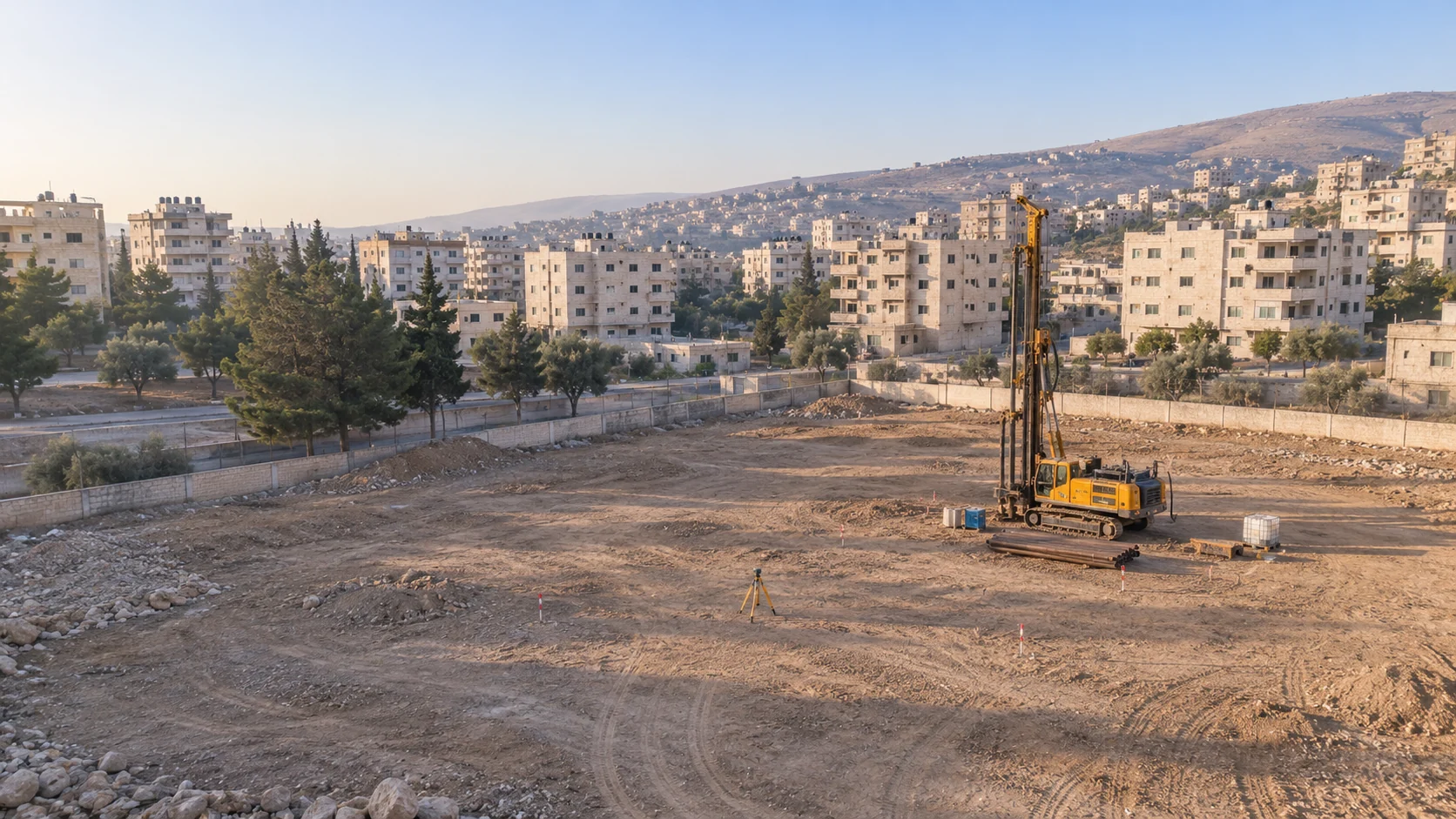
Soil and rock conditions decide the foundation type, and foundations can have a large effect on cost and programme. A geotechnical investigation uses boreholes, laboratory tests and groundwater measurements to show what is there. On larger plots, geophysical surveys can help identify changes between boreholes and possible hazards such as buried objects.
Existing structures and buried services
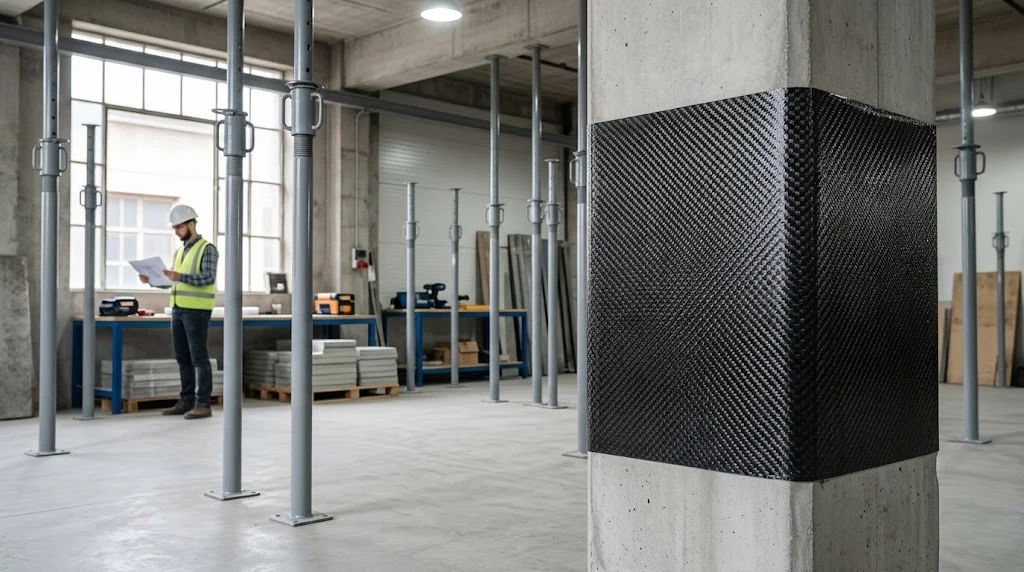
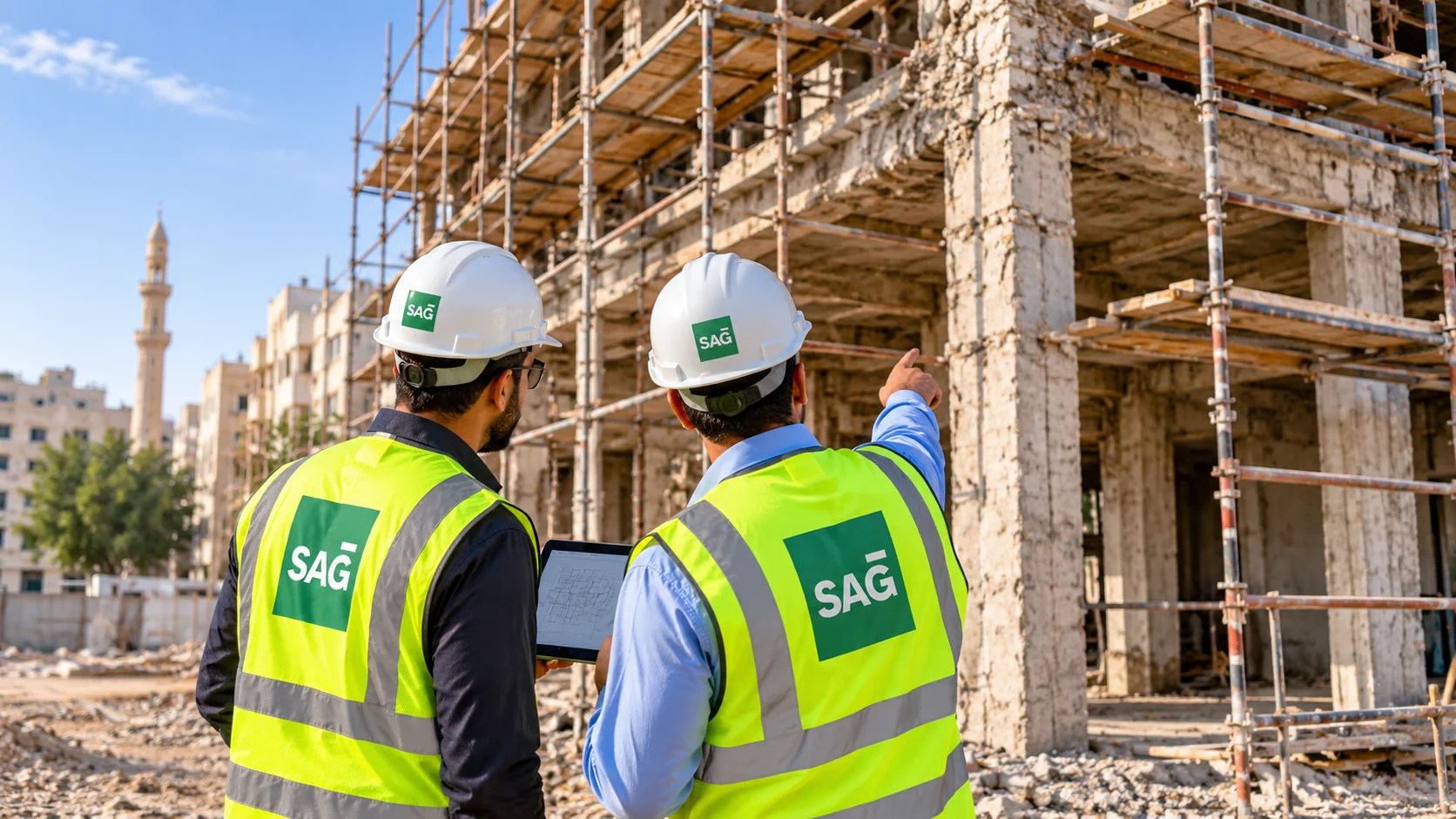
Part-built or damaged buildings may be an asset or a liability. They need a structural assessment before they are counted in the value of a site. Old pipes, cables and foundations can also conflict with a new layout, and records may be incomplete. Where a site may contain unexploded ordnance, authorised specialists must clear it before intrusive work starts.
Water, power and access
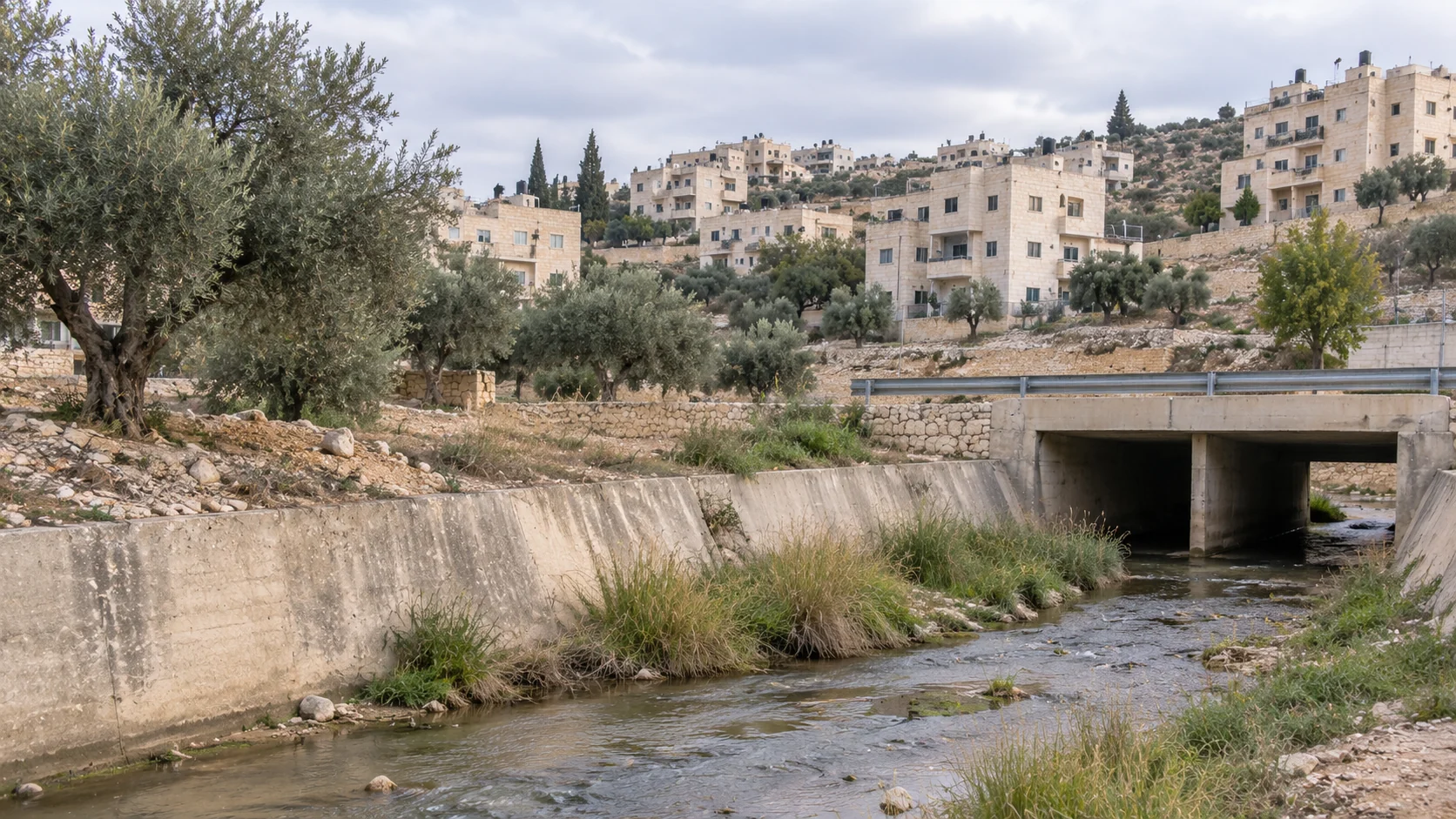
An investor should find out where water, power, sewage and telecom connections can really come from, and whether existing networks have capacity. Road access matters too: trucks, cranes and piling rigs need routes that can carry them. Drainage and flood exposure can change site levels and the usable area of the plot.
Materials, contractors and programme
A programme should reflect local conditions: the availability of tested materials, specialist equipment, qualified contractors and laboratories. Identifying what must be brought from elsewhere gives a more realistic view of cost and time, along with the risks that need a contingency.
Turning findings into a decision
Good due diligence ends with a clear summary: the main risks, their likely effect on cost and programme, what still needs investigating and how each risk can be managed. It should also list the approvals to confirm with the relevant authorities and the Syrian Engineers Syndicate. Legal questions such as ownership and title need review by qualified legal advisers, and they sit alongside the engineering work.
How we can support investors
Super Arc Group combines consultancy and contracting. Our record includes a geophysical survey for buried pipelines in Fujairah, a geotechnical investigation for roads and infrastructure in Abu Dhabi and a soil contamination assessment for a fuel station. Our team in Hama works alongside our engineers in the UAE on projects in Syria.
Frequently asked questions
When should due diligence start?
Before signing or committing to a final price, where possible. Even a short desk study and site visit can show whether a detailed investigation is worthwhile.
Is a site visit enough?
It is a useful first step, but it cannot show ground conditions, hidden damage or buried services. Those need targeted surveys and tests.
Does engineering due diligence cover legal risk?
No. It covers technical risk. Ownership, permits and contracts should be reviewed with qualified legal advisers.
Considering a project in Syria? Contact Super Arc Group to discuss a technical review of your site.
Share this article
If you found this article helpful, share it with others