Ground Improvement or Piles: Foundations for Syrian Projects
How developers in Syria can compare ground improvement and pile foundations, based on loads, soil, settlement limits, cost and site access.
November 6, 2026
Foundation decisions can decide whether a reconstruction project stays on budget. When the ground near the surface is too weak or too variable for ordinary footings, deep piles may not be the only answer. Ground improvement can sometimes achieve the required performance at lower cost, while some heavier structures still need piles. The right choice comes from the ground data and the building’s needs.
Start with the ground and the loads
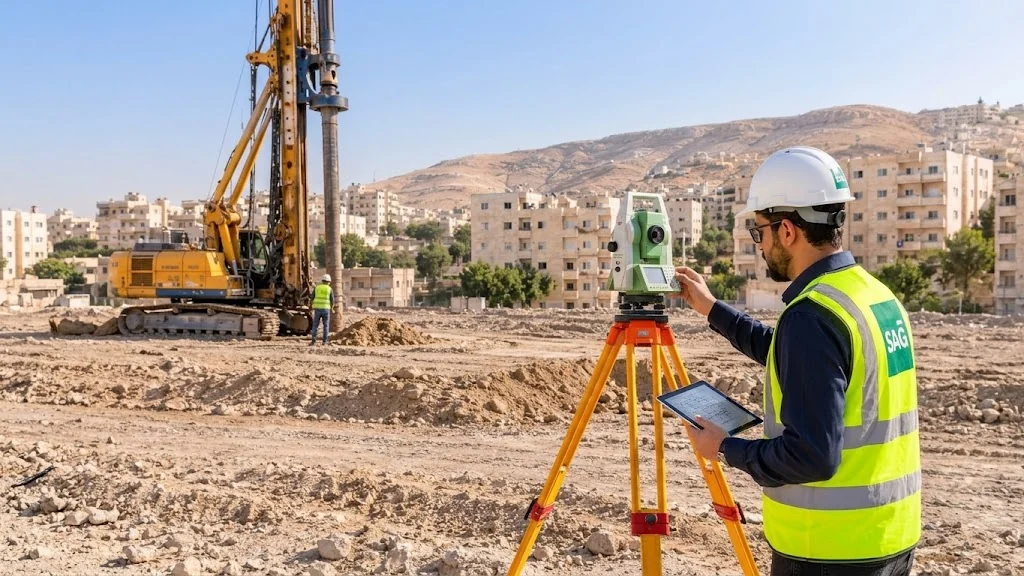
A geotechnical investigation shows the soil layers, groundwater and depth to firm material. The structural engineer provides column loads and allowable settlement. Comparing the options before that information exists is largely guesswork.
When ground improvement can work
Rigid inclusions are stiff columns installed in weak ground, usually under a load transfer layer, to reduce settlement beneath footings or slabs. Compaction and replacement can suit shallow loose or poor layers. Grouting can fill voids or strengthen selected zones. These methods often suit low to mid-rise buildings, warehouses and large slabs with moderate loads.
When piles are the better choice
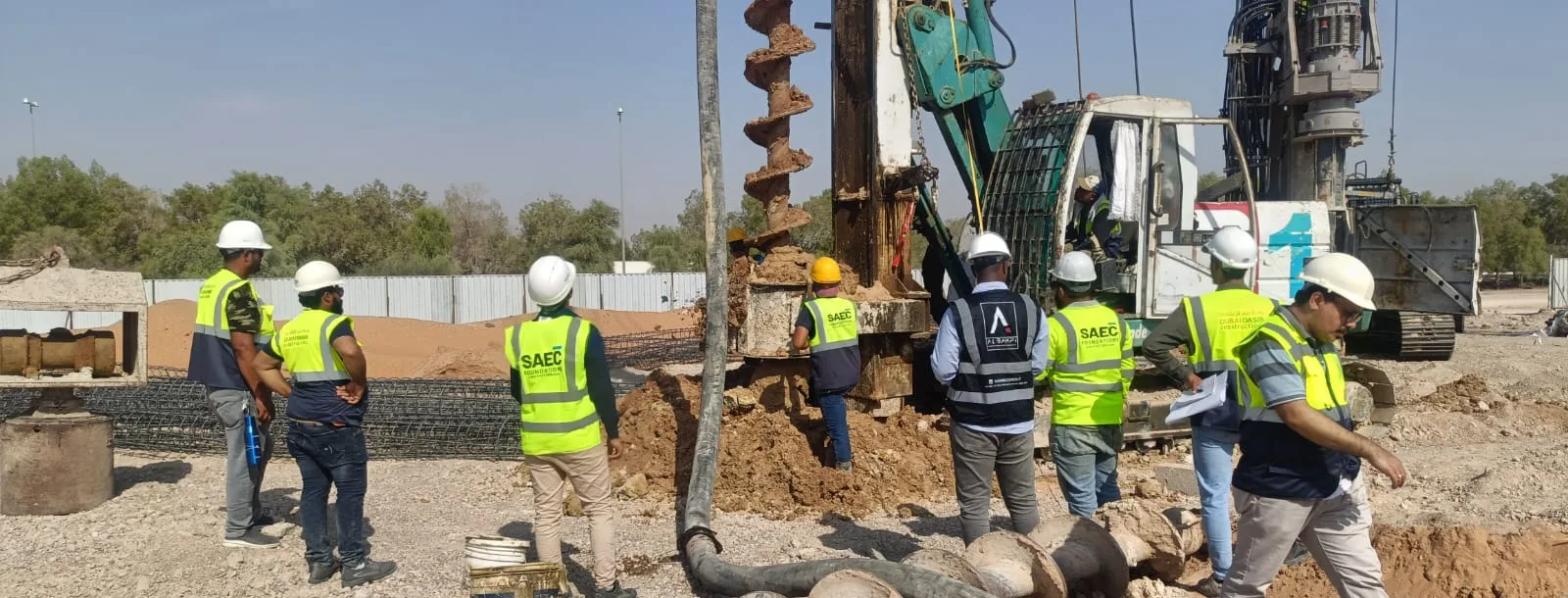
Piles carry load down to stronger strata, which suits high-rise buildings, heavy column loads, bridges and structures sensitive to settlement. They may also be needed where uplift or large lateral forces are expected. Bored piles, CFA piles and micropiles each have their place, as our pile selection guide explains.
Earthquake and ground risks
After the 2023 earthquakes, seismic performance deserves direct attention. The foundation design should consider earthquake loads, and loose saturated soils may need a liquefaction check. Any improved ground or pile system has to suit those demands as well as ordinary gravity loads.
Compare more than the unit price
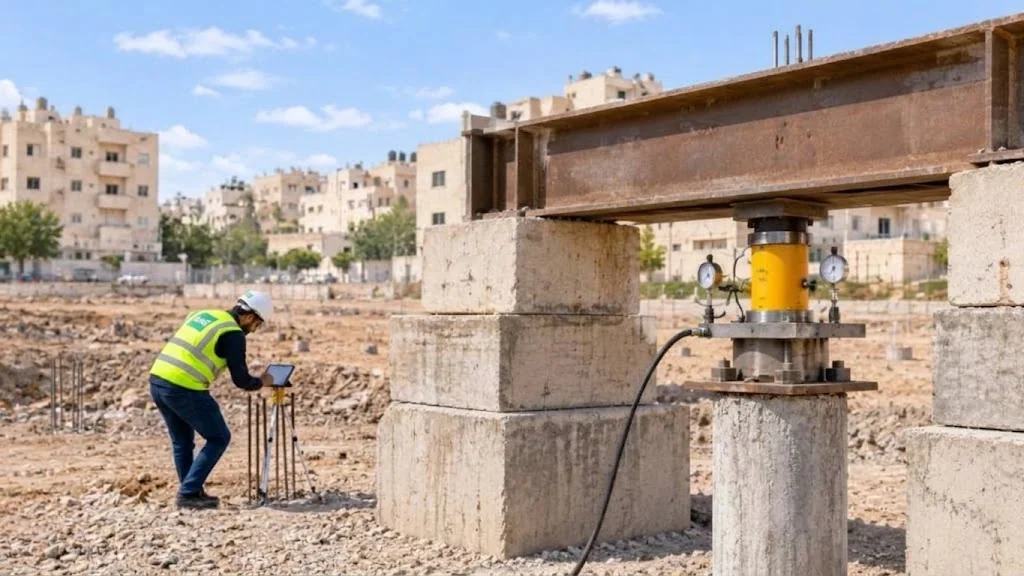
A fair comparison includes equipment availability, testing, programme, site access and the certainty of performance. A cheaper method may lose its advantage if it needs a lengthy trial or large settlement allowance. A zone load test or pile test can check the design on the actual site before full production starts.
Project experience
SAEC carried out rigid inclusion works at Masdar Park, and SAC reviewed a rigid inclusion design for Al Merief Road and supported soil improvement at Yas Marina Circuit. That combination of design and execution helps us compare options for projects in Syria.
Frequently asked questions
Is ground improvement always cheaper than piles?
No. It depends on loads, soil depth, access, testing and local equipment. Each project needs its own comparison.
Can both methods be used on one project?
Yes. Heavily loaded towers can use piles while lighter areas use improved ground, provided differential movement between them is controlled.
What should be done first?
Carry out the geotechnical investigation and obtain preliminary structural loads. Those two inputs make a meaningful comparison possible.
Planning foundations for a project in Syria? Contact Super Arc Group with your site details and loads.
Share this article
If you found this article helpful, share it with others