Declining Water Well Yield in Syria: When to Assess, Rehabilitate or Consider a Replacement Well
If your well delivers less water than it used to, learn how to interpret pumping tests and compare pump repair, well rehabilitation and replacement in Syria.
November 28, 2026
A farm tank in rural Hama starts taking longer to fill than it did last season. The water level may have fallen, the pump may be delivering less, or less water may be entering the well through its screen. A restriction or leak in the delivery line can produce a similar result.
When assessing low water well yield in Syria, establish what changed before committing to equipment, rehabilitation or a replacement well. Neighbouring wells can differ in construction, geology and operating conditions.
Why does water well yield decline?
Groundwater levels can fall seasonally or respond to nearby abstraction. Sediment or deposits may obstruct the screen, while casing or other components may deteriorate. A worn pump or a problem in the discharge line can reduce delivery to the tank. A high pumping rate can also draw the water level too far down for continuous operation.
- Well yield is the discharge obtainable from a well under specified operating conditions.
- Pump capacity is the flow a pump can deliver at a given head, according to its performance curve.
- Aquifer performance describes how the water-bearing formation responds to abstraction, including water-level changes, recovery and interference from nearby pumping.
Several causes can coexist. Oregon water well handbook.
How should you start assessing an existing well?
Collect the construction date, depth, well log, screen and casing details, and pump specifications. Compare previous and current flow records alongside the season, operating hours and discharge pressure. Note any change to the pump or irrigation network. A timed tank fill can reveal changes in delivered water, but it also reflects conditions between the well and the tank.
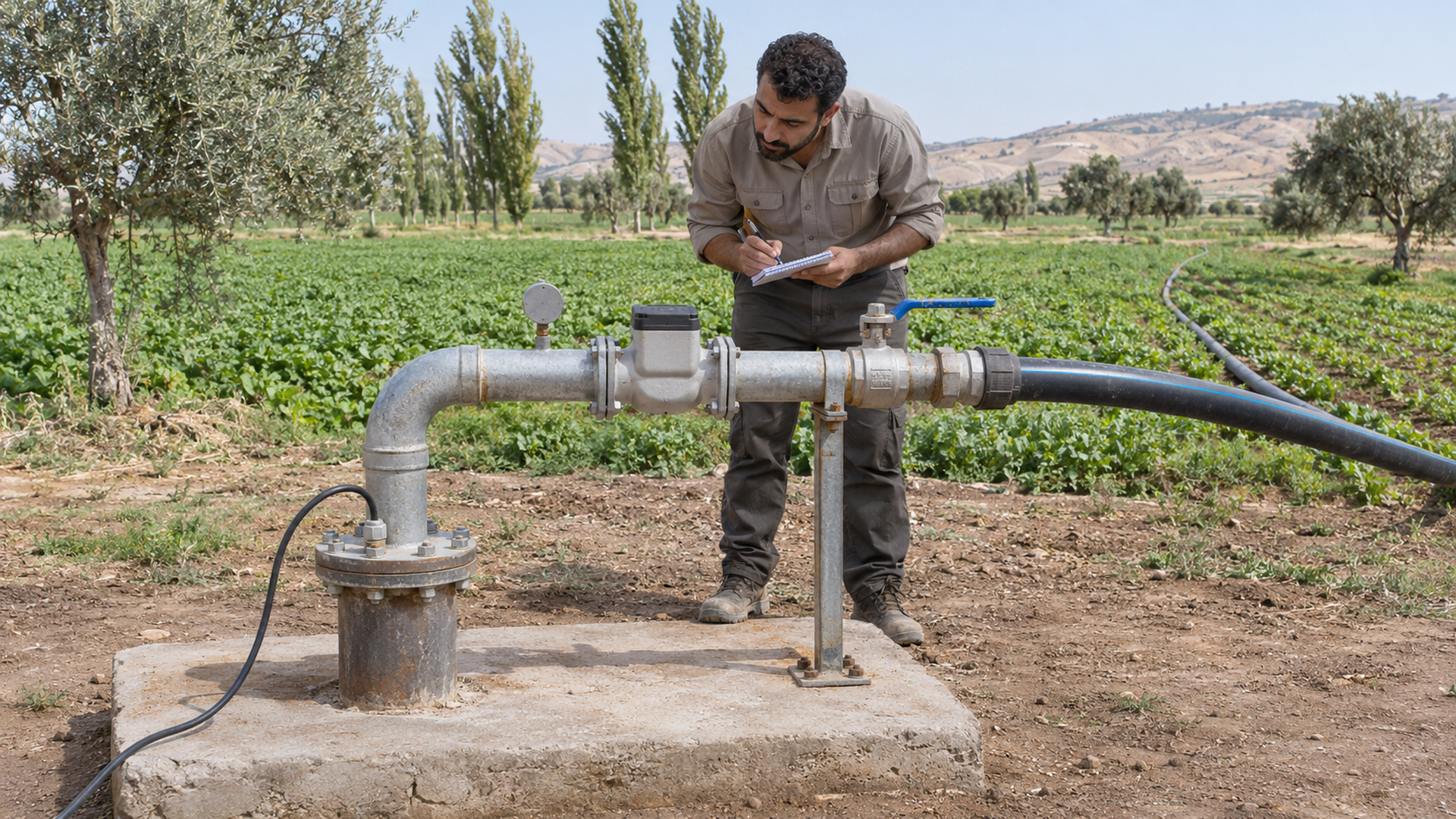
Document the static water level after a recorded rest period and any pumping water level together with its measurement time and flow rate. Review those readings alongside repairs, seasonal records and reports of sand or water quality changes. Leave field measurements and electrical isolation or inspection to qualified personnel using appropriate safety procedures.
What can a pumping test tell you?
During a pumping test, a specialist records flow and water levels over time and tracks the level after pumping stops. Drawdown is the fall from the pre-pumping level. Recovery is the rise after shutdown. Specific capacity is the pumping rate divided by drawdown at a stated time and under stated conditions.
Compare tests in light of their rates, duration, starting levels and nearby abstraction. Estimating sustainable yield also requires considering seasonal conditions and the effects of continued withdrawal on the aquifer and other users. Test duration and rates depend on the well and the purpose of the assessment. ICRC pumping test guidance and ISO 14686:2003.
Is the pump or the well at fault?
If levels are similar to earlier readings but tank inflow has fallen, investigate pump performance, pressure and the discharge line. Greater drawdown at the same rate under comparable conditions warrants checking the screen and considering interference from nearby pumping. A lower static level at the start of the season also changes the lift the pump must overcome. These are clues to investigate before buying a larger pump.
When is well rehabilitation worth considering?
Rehabilitation is worth assessing where the cause appears repairable and the well’s condition permits intervention. A specialist may inspect the casing and screens, remove deposits where appropriate, or repair faulty components. Agree how to verify the result through comparable flow and drawdown measurements, appropriate water quality testing and follow-up during operation. The improvement depends on the cause and the condition of the well and aquifer.
When should you consider a replacement well?
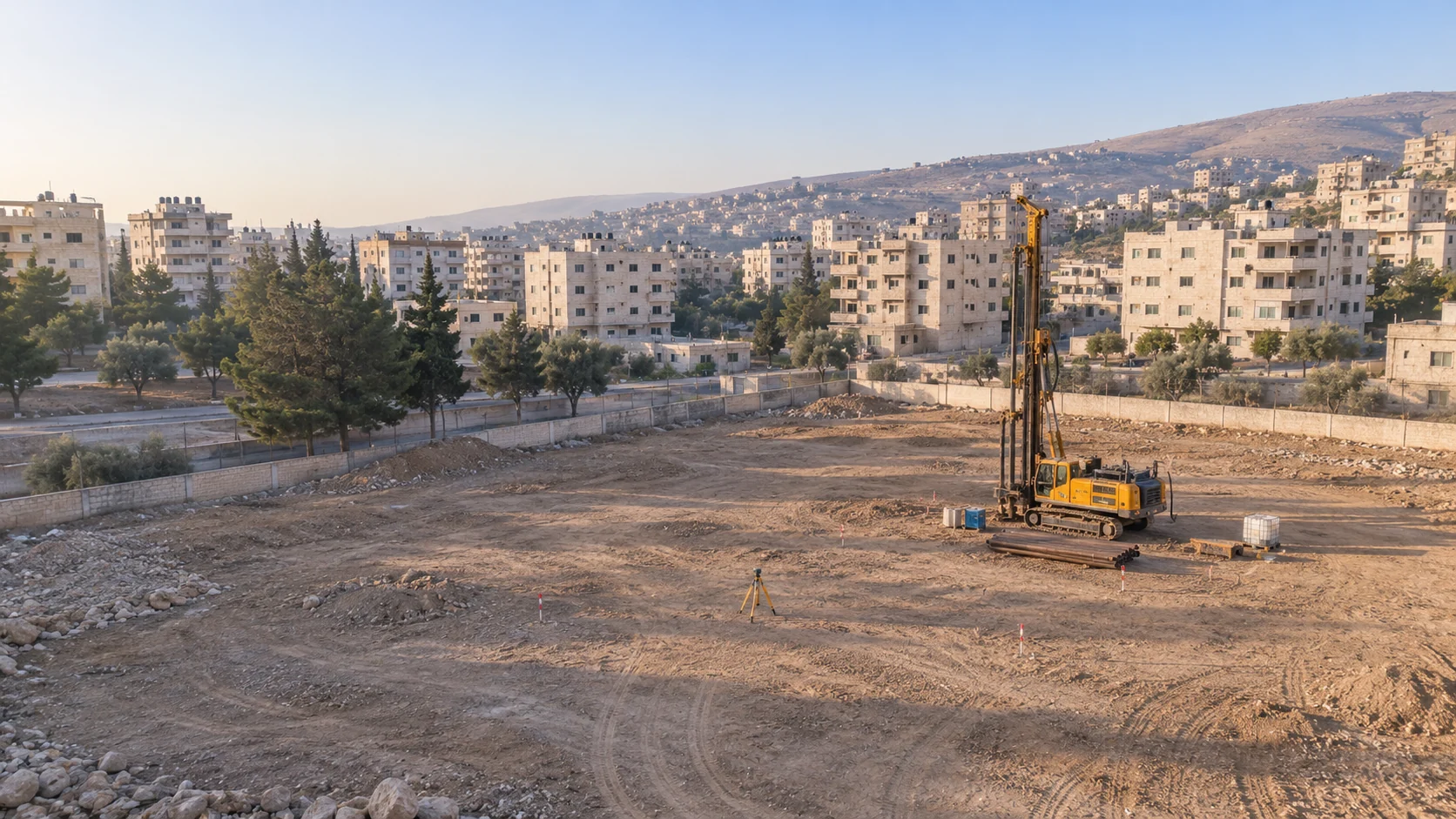
Consider replacement if the well is difficult to repair, rehabilitation offers poor value over its expected service life, or output remains below demand. An unsuitable location, changed groundwater conditions or persistent water quality risks may also matter. A nearby replacement can face the same aquifer limits. Assess sustainable abstraction and check applicable permissions, spacing and requirements for the old well with the competent authority. Verify the new well’s performance by testing.
Why water quality matters as much as quantity
For drinking, arrange relevant microbiological and chemical analyses through an accredited laboratory and assess them against applicable local requirements. For irrigation, interpret salinity and sodium in relation to crops, soil and drainage. Industrial processes may have different specifications, such as for cooling water. Match any return-to-service checks to the intended use. WHO drinking-water guidelines and FAO irrigation water quality guidance. See also UNICEF’s water and sanitation programme in Syria.
How energy and irrigation affect the decision
Estimate water demand, operating hours, lift and distribution pressure and losses. Repairing leaks or changing irrigation schedules can ease demand. Storage may help align pumping hours with available energy. Assess solar pumping against the well’s appropriate operating rate and site conditions. FAO’s work in Syria covers irrigation water management. The group publishes a solar irrigation example in Hama and a guide to assessing farmland in Syria.
Compare rehabilitation and replacement costs
Compare investigation, repairs and retesting with the cost of assessing, drilling, equipping and testing a replacement. Include the pump, energy, downtime, operating and maintenance costs and expected service life. Ask what happens if either option falls short of demand and how abstraction could affect groundwater and neighbouring wells.
A checklist for well owners
- Location, water use, drilling date, depth and available construction records.
- Earlier and current flow rates, water levels and measurement dates.
- Pump details, breakdowns, maintenance history and any sand or turbidity.
- Water quality results, seasonal demand and operating hours.
Where Super Arc Group fits
Super Arc Group lists Al Shallal as a strategic partner and identifies water well drilling and testing among its published activities in the UAE and Gulf. If you are considering drilling in Syria, contact Super Arc Group with your location and water needs to discuss the scope available for the site.
Frequently asked questions
Does lower flow mean the well has dried up?
Seasonal changes, equipment faults or blockages can also explain a decline.
Will a new pump always increase yield?
It may restore delivery when the pump is at fault. The well and aquifer still constrain abstraction.
Why run a pumping test?
It shows how the water level responds to a measured flow and recovers after shutdown.
Can every older well be rehabilitated?
Feasibility depends on the casing, screens, cause of decline and expected value of the work.
When is a replacement well worth assessing?
When repair is impractical or uneconomic and a candidate location merits technical and regulatory review.
Can water suitable for irrigation be used for drinking?
Drinking water needs its own testing and assessment.
Share this article
If you found this article helpful, share it with others